

MOLD CAUSED BY DAMP WALLS
Moisture problems in homes are becoming increasingly common in Nairobi and across Kenya, especially during rainy seasons and in areas with poor drainage or older buildings. One of the most overlooked causes of indoor mold growth is rising damp a silent problem that slowly damages walls, paint, indoor air quality, and even your health.

In this guide, we’ll explain:
- What rising damp is
- How it contributes to mold growth
- Signs homeowners should never ignore
- Moisture management solutions
- How professional mold inspections help
What Is Rising Damp?
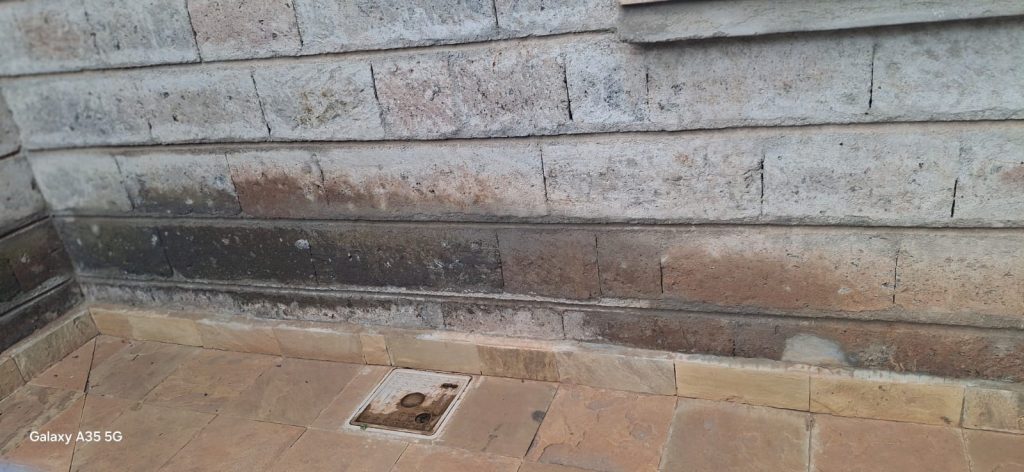
Rising damp occurs when groundwater travels upward through porous building materials such as:
- Concrete
- Concrete
- Bricks
- Stone
- Plaster
- Cement screed
This happens through a process called capillary action, where moisture from the soil rises through walls much like water moves through a sponge.


In many Kenyan homes, rising damp is commonly caused by:
- Poor waterproofing during construction
- Lack of damp proof membranes (DPM)
- External walls exposed to wet soil
- Poor drainage systems
- Water pooling near foundations
- Swampy or shaded surrounding areas
- Cracked exterior walls
- Cracked exterior walls
How Rising Damp Contributes to Mold Development
Mold thrives in environments with:
- Excess moisture
- Poor ventilation
- Organic material
- Humidity above 60%
When rising damp keeps walls consistently moist, it creates the perfect breeding ground for hidden mold colonies.
Common Areas Mold Appears Due to Rising Damp
- Behind wallpaper
- Inside wardrobes and cabinets
- Around skirting boards
- Lower sections of walls
- Behind kitchen cabinets
- Behind gypsum partitions
- Around tiled bathroom walls

Signs of Rising Damp in a Home
Many homeowners mistake rising damp for normal paint problems. Here are warning signs to watch out for:
1. Peeling Paint or Bubbling Walls
Moisture pushes paint away from the wall surface.
2. Musty or Earthy Smell
A persistent damp smell often indicates hidden mold growth.
3. White Powder Deposits (Efflorescence)
Mineral salts left behind after water evaporates.
4. Mold Growth Near the Floor
Especially black, green, or brown patches.
5. Cold and Damp Walls
Walls may feel colder than surrounding surfaces.
6. Warped Wooden Furniture or Cabinets
Moisture affects nearby wooden structures over time.

Health Effects of Mold Caused by Rising Damp
Long-term exposure to mold spores may contribute to:
- Allergies
- Persistent coughing
- Sneezing
- Skin irritation
- Sinus congestion
- Asthma flare-ups
- Fatigue
- Headaches
Children, elderly individuals, and people with respiratory conditions are usually more sensitive to mold exposure.
Moisture Management Solutions for Rising Damp
Managing moisture is the most important step in preventing mold recurrence.
1. Improve Exterior Drainage
Ensure rainwater flows away from the building foundation.
Recommended Actions:
- Install proper gutters
- Repair leaking downpipes
- Create slope away from the house
- Avoid water stagnation near walls


2. Use Industrial Dehumidifiers
Dehumidifiers help reduce indoor humidity and dry affected materials faster.
Ideal Indoor Humidity:
Keep indoor humidity between:
- 45% – 55%


3. Improve Ventilation
Poor airflow traps moisture indoors.
Simple Ventilation Improvements:
- Open windows regularly
- Install extractor fans
- Avoid drying clothes indoors
- Increase airflow behind furniture
4. Repair Structural Defects
Address:
- Cracked walls
- Waterproofing failures
- External wall contact with wet soil
- Plumbing leaks
In severe cases, damp-proof injections or membrane systems may be required.
5. Conduct Professional Mold and Moisture Assessments
A visual inspection alone may not detect hidden moisture problems.
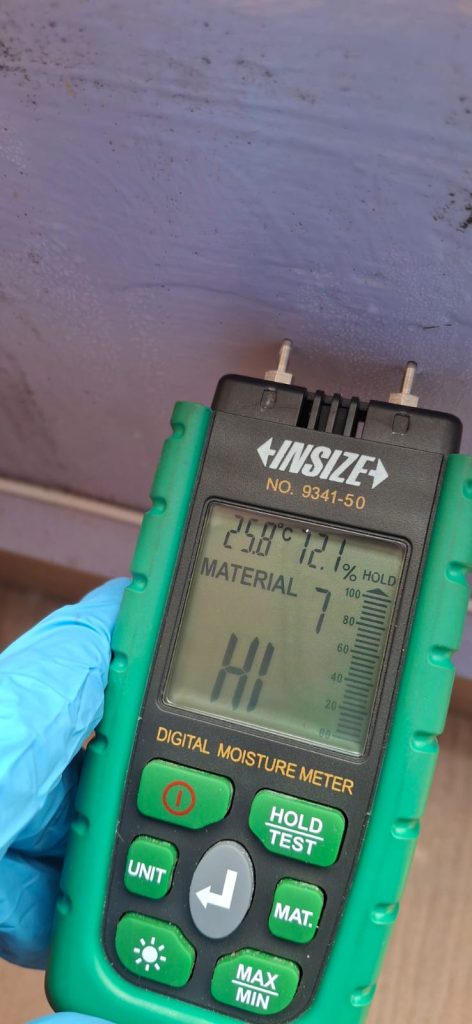
Professional inspections often use:
- Moisture meters
- Thermal imaging
- Humidity analysis
- Surface testing
- Air quality assessments


Why Treating Mold Alone Is Not Enough
Many people repaint walls or clean visible mold without addressing the moisture source.
Unfortunately:
- Mold usually returns
- Hidden colonies continue growing
- Air quality worsens over time
Successful remediation requires:
- Identifying the moisture source
- Drying the structure
- Removing contaminated materials safely
- Preventing future moisture intrusion
Preventing Rising Damp in Nairobi and Kenyan Homes
Best Preventive Practices
- Inspect walls regularly during rainy seasons
- Monitor indoor humidity
- Keep furniture slightly away from walls
- Ensure proper landscaping drainage
- Use mold-resistant paints in vulnerable areas
- Address leaks immediately
Final Thoughts
Rising damp is more than just a cosmetic issue. Left untreated, it can contribute significantly to hidden mold growth, structural damage, and poor indoor air quality.
Early moisture detection and proper moisture management are key to protecting both your property and your health.
If your home has:
- Persistent musty smells
- Peeling paint
- Damp walls
- Recurring mold
- Unexplained allergy symptoms
…it may be time for a professional mold and moisture assessment.