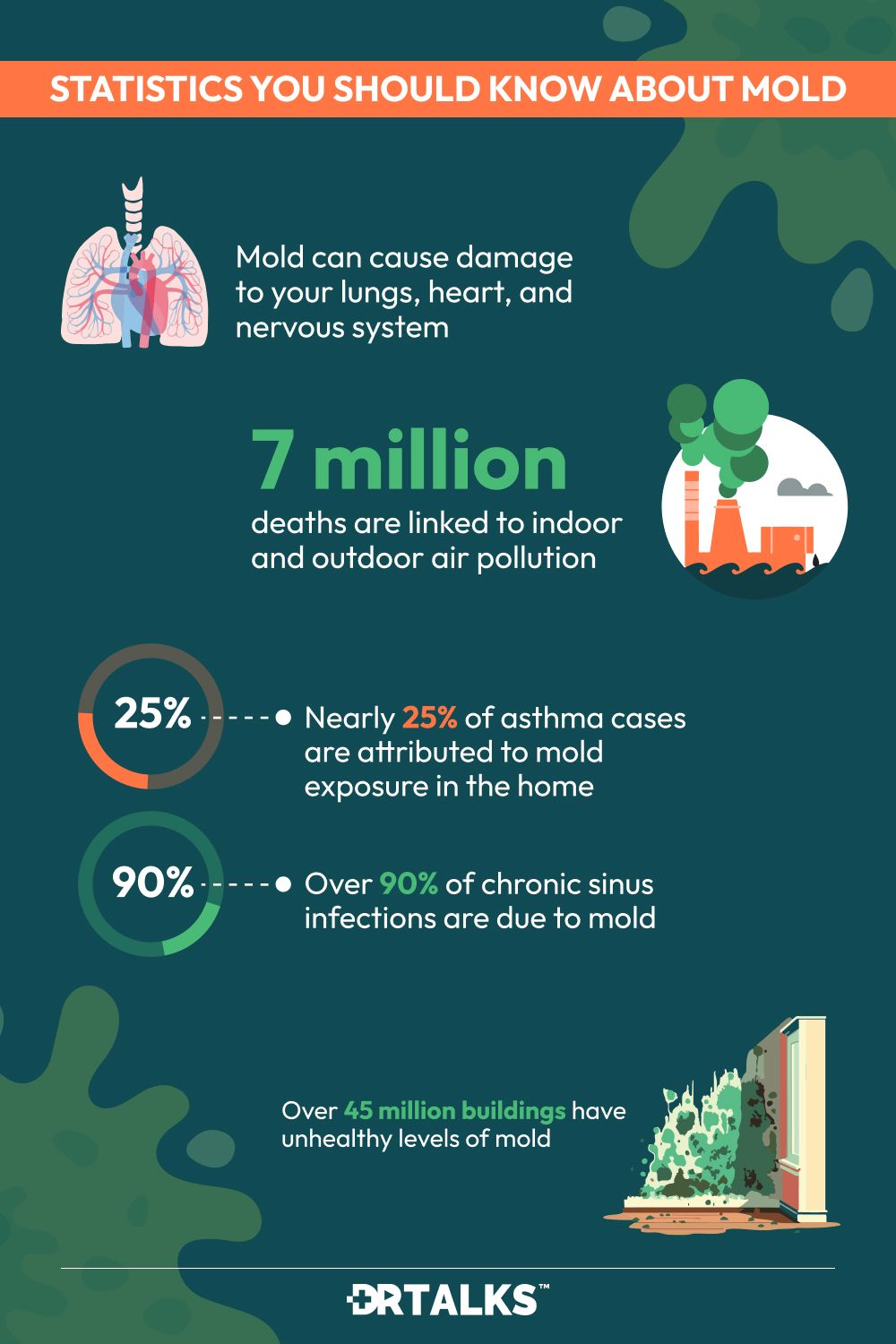
If you live in Nairobi, premium homeowners in Westlands, Karen, Lavington, Kitusuru, Peponi road, Runda and all across Kenya, this is the essential resource for protecting your home and family. Recent statistics with Dr.Talks highlights some of the health risks associated with mold exposure. https://drtalks.com/

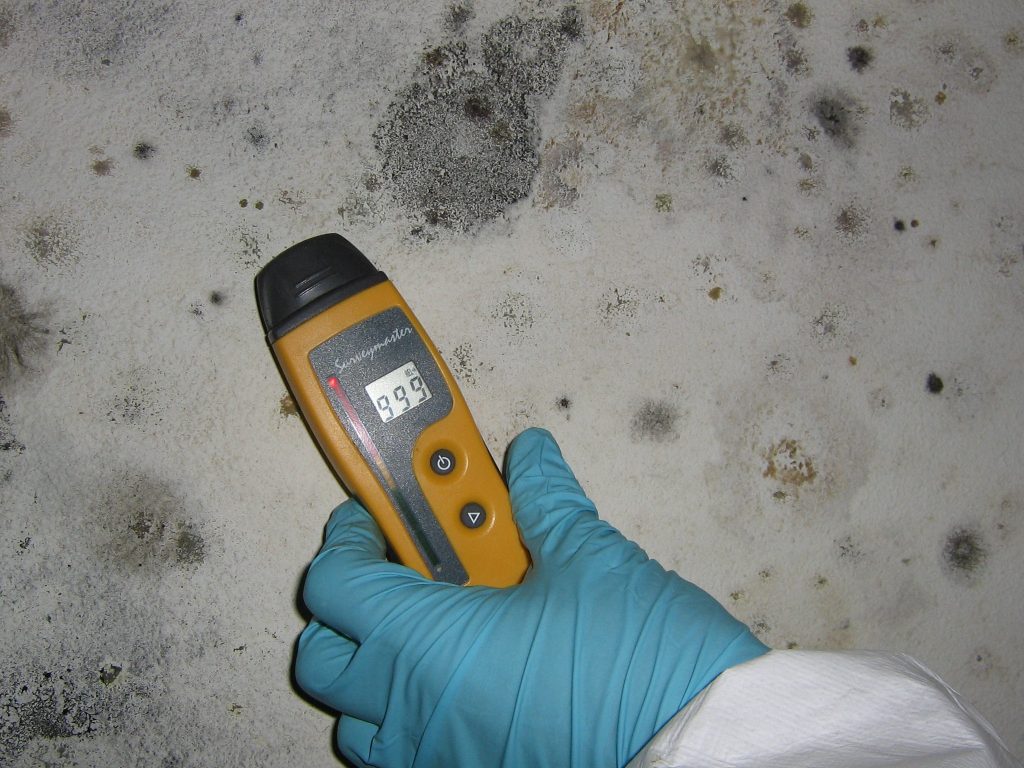
1. Seasonal rains and persistent humidity
Nairobi experiences two major rainy seasons, with the long rains bringing extended moisture, cooler indoor surfaces, and reduced drying conditions. These factors create the ideal environment for mold spores to settle and grow indoors. Homes affected most include: Ground-floor apartments, Poorly ventilated rental units, Houses with roof or plumbing leaks, and Buildings with rising damp in walls. Even modern apartments are not immune when moisture control is overlooked.

2. Hidden water intrusion inside buildings
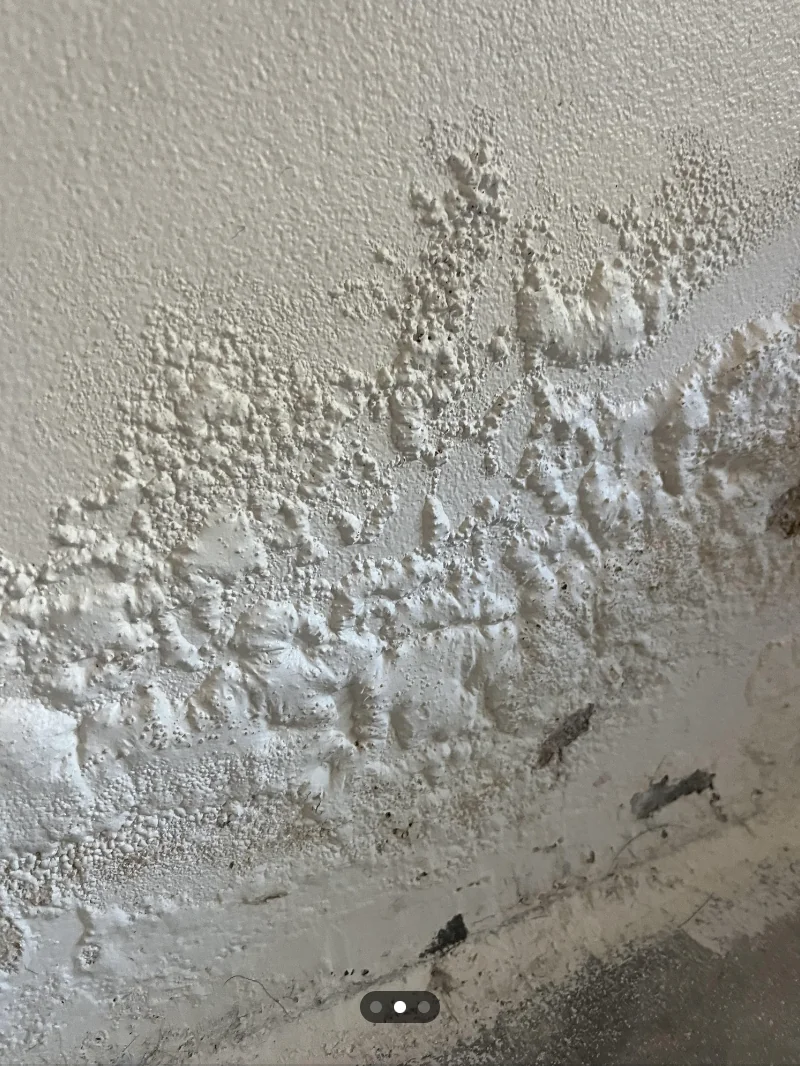
Mold rarely appears without a moisture source. Common hidden causes in Nairobi properties include: Blocked drainage around foundations, Lack of Proper Damp-Proofing. Foundations, basements, and walls without damp-proof membranes allow moisture to rise or seep in from the soil (capillary action). Faulty Ventilation Bathrooms, kitchens, and laundry areas without proper ventilation trap humidity, leading to condensation and moisture buildup. Incorrect Plumbing Integration in Building Design Running pipes too close to walls or floors without insulation or moisture barriers can allow leaks to penetrate structural elements more easily. Previous flooding that never dried fully. Because these problems are often invisible, mold may spread for months before discovery. Discover more of these architectural faults and remediation at http://jzzecohomes.com/

3. Everyday indoor habits that increase moisture
Some daily routines unknowingly raise indoor humidity: Drying clothes inside rooms, Limited window opening due to cold or security concerns, Cooking without ventilation, and Bathrooms without exhaust airflow. Over time, trapped moisture allows fungal growth on paint, wood, fabric, and ceilings.
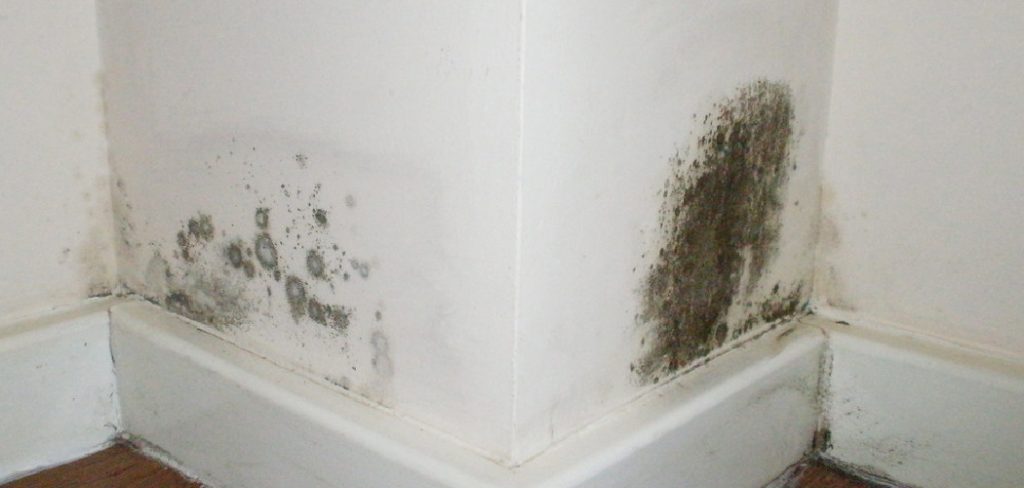

1. Fix leaks immediately
Repair: Roof damage, Pipe leaks, Cracked exterior walls, and Blocked drainage channels The faster water intrusion stops, the lower the mold risk.

2. Improve airflow and ventilation
Healthy airflow helps moisture escape. Practical steps: Open windows when weather allows, Use extractor fans in kitchens and bathrooms, Avoid overcrowding rooms with furniture, and Leave space between wardrobes and walls

3. Manage indoor humidity
Try to keep indoor humidity moderate rather than damp. Helpful habits: Dry clothes outdoors when possible, Wipe condensation from windows, Ensure bathrooms dry fully after showers, and Use moisture-absorbing solutions in closed rooms
4. Inspect your home after heavy rains
Early detection prevents costly damage. Check: Ceilings for new stains, Corners of exterior walls, Behind large furniture, and Inside cupboards and wardrobes. If caught early, mold problems are far easier and cheaper to resolve.